
Education for Youth in Residential Treatment
Keeping teens on track academically while they heal
Our education support program makes sure that youth in residential treatment continue learning, earning credits, and working toward graduation or a GED while they receive therapeutic services.
Education as a Core Part of Treatment
Supporting academic growth alongside emotional healing
Many girls arrive at Norman C. Sleezer Youth Home with disrupted schooling, gaps in credits, or special education needs that have not been fully addressed. We believe education is essential to long-term success, so it is built into every resident’s treatment plan. Early in placement, our team meets with the youth, her family or caregiver, the referring agency, and the local school district to understand her history and current needs. Together, we design an educational plan that aligns with legal requirements, honors existing IEPs, and gives each student a realistic path forward.
Flexible Schooling Options
Individualized education plans through local partnerships
We partner closely with Freeport School District #145 and other educational programs to provide a range of options that match each youth’s abilities and goals. Depending on her situation, a student may:
- Attend specialized off-campus classes, such as transitional education programs designed for students returning to or stabilizing in school.
- Enroll in Freeport public schools or an approved alternative education program that can better support her learning style and needs.
- Work on GED preparation when finishing high school through traditional credits is not the best or most realistic path.
- Participate in credit recovery or correspondence coursework to make up missed credits and move closer to grade-level standing or graduation.
This flexibility allows us to meet students where they are and avoid a one-size-fits-all approach to education.
Daily Academic Support at NCS
Study time, tutoring, and communication with schools
Education support does not end when the school day is over. At the Youth Home, residents have scheduled study times, access to staff who can assist with homework, and encouragement to develop good study habits. Our team maintains regular communication with teachers and school counselors to monitor progress, address concerns, and celebrate successes. When needed, we help arrange transportation, support attendance, and advocate for appropriate accommodations, ensuring that school remains a stable and positive part of each youth’s life.
National School Lunch Program
Nutritious meals that support learning and well-being
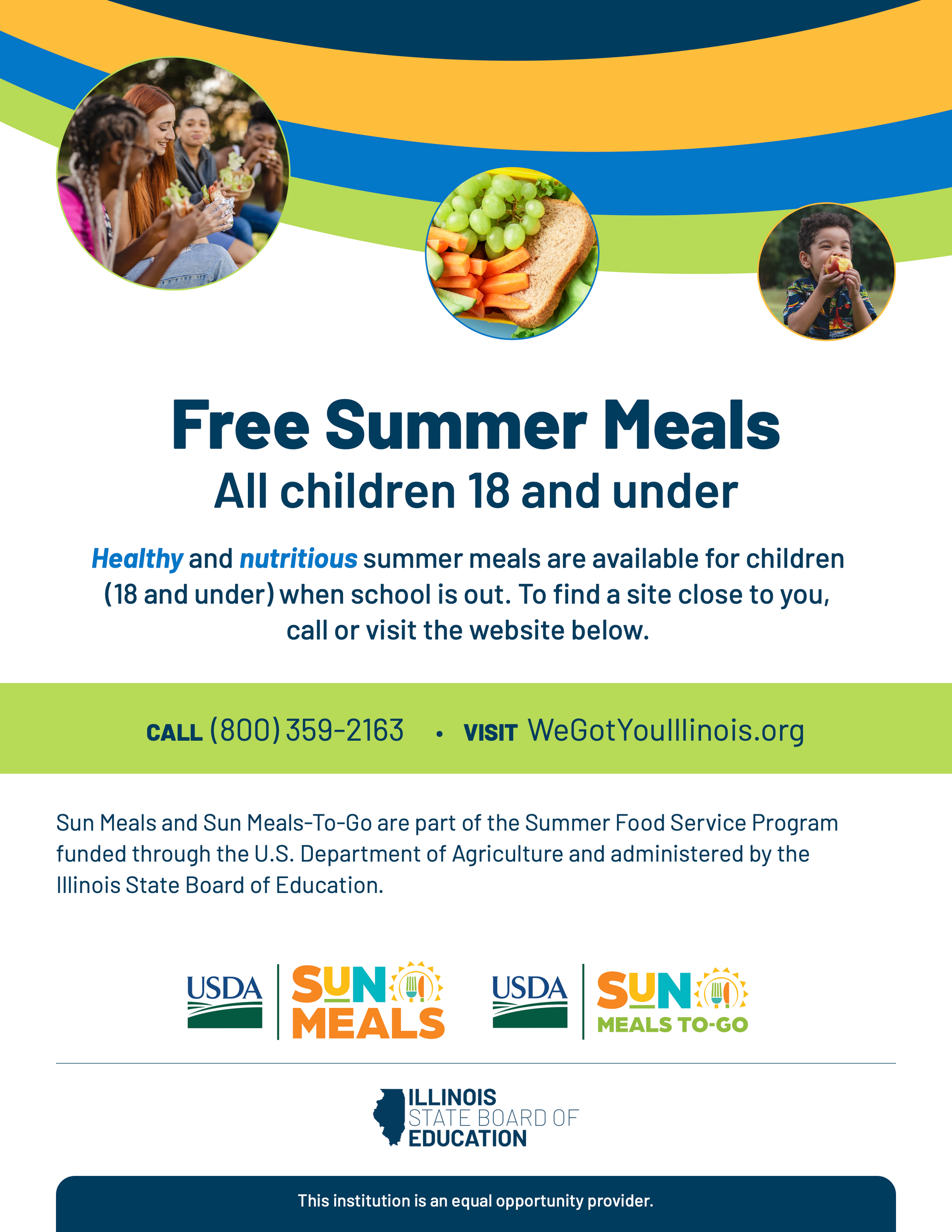
As a National School Lunch Program site, Norman C. Sleezer Youth Home ensures that students in our care receive balanced, nutritious meals every school day. Consistent access to healthy food is a key part of supporting their physical health, emotional regulation, and overall readiness to learn.
Nutritious meals help residents stay focused in class, participate more fully in their educational programs, and have the energy they need for therapy, activities, and daily routines. By pairing strong educational support with reliable, high-quality nutrition, we create a more stable foundation for each teen’s growth and success.
NCS Youth Home meets annually to review the Wellness Policy. If you are interested in being a part of the Wellness Policy Committee, please contact Amber Roberts at aroberts@sleezeryouthhome.org or 815-232-8336.
Here, healing isn’t just talked about in therapy—it’s practiced in every conversation, every routine, every small win.
Meet Michael
Frequently Asked Questions
Understanding education for youth in residential treatment
Do teens at Sleezer Youth Home still go to school?
Yes, every school-age resident is expected to participate in an appropriate educational program while in our care. Depending on their needs, youth may attend local schools, specialized programs, or work toward a GED. We see education as a fundamental right and responsibility, and we work hard to ensure that placement in residential treatment does not stop a young person’s academic progress.
How do you decide which school option is best for a resident?
Educational decisions are made collaboratively, taking into account the youth’s academic history, current functioning, safety needs, and existing IEP or 504 plans. Our staff consult with the referring agency, family, and school district to determine the setting that will best support both learning and treatment. We also listen to the youth’s own goals and concerns, so the plan feels realistic and respectful.
What support do residents receive with homework and schoolwork?
Residents have dedicated time for homework and study built into their daily schedule, with staff available to offer guidance, organization, and encouragement. When additional help is needed, we may coordinate with teachers or explore tutoring resources to address specific subjects or skills. Our goal is to help students build confidence as learners, not just complete assignments.
How are special education needs handled?
If a youth has an IEP or other documented needs, we work with the appropriate school district to ensure those services and accommodations continue. Our team participates in school meetings, shares relevant treatment information when permitted, and advocates for supports that will help the student succeed. When a student’s needs are newly identified, we can assist with the evaluation process and help families understand their rights.
Will progress in school be communicated to families and referrers?
Yes, academic progress is regularly reviewed as part of the youth’s overall treatment plan, and key updates are shared with families, caseworkers, and other authorized partners. This may include report cards, attendance information, and teacher feedback. By keeping everyone informed, we can work together to celebrate growth, address concerns early, and plan for educational success after discharge.